The ongoing revitalisation of Sentul Depot reflects the commitment of YTL Land & Development Berhad to sustainable urban regeneration through the adaptive reuse of heritage assets. Two key restoration projects – Diesel Room and the transformation of Workshop 2 into Pickle Depot and Padel Depot – illustrate the creative adaptation of historic industrial buildings for contemporary use whilst preserving their cultural significance.
Originally part of Malaya’s railway engineering network, Sentul Depot was once the centre of the country’s rail workshop operations. Today, its historic structures have been repurposed into vibrant community destinations that blend heritage, recreation and lifestyle. Through the retention of original steel frameworks, brick façades, industrial detailing and distinctive architectural features, these projects extend the lifespan of existing buildings whilst reducing environmental impact associated with demolition and new construction.
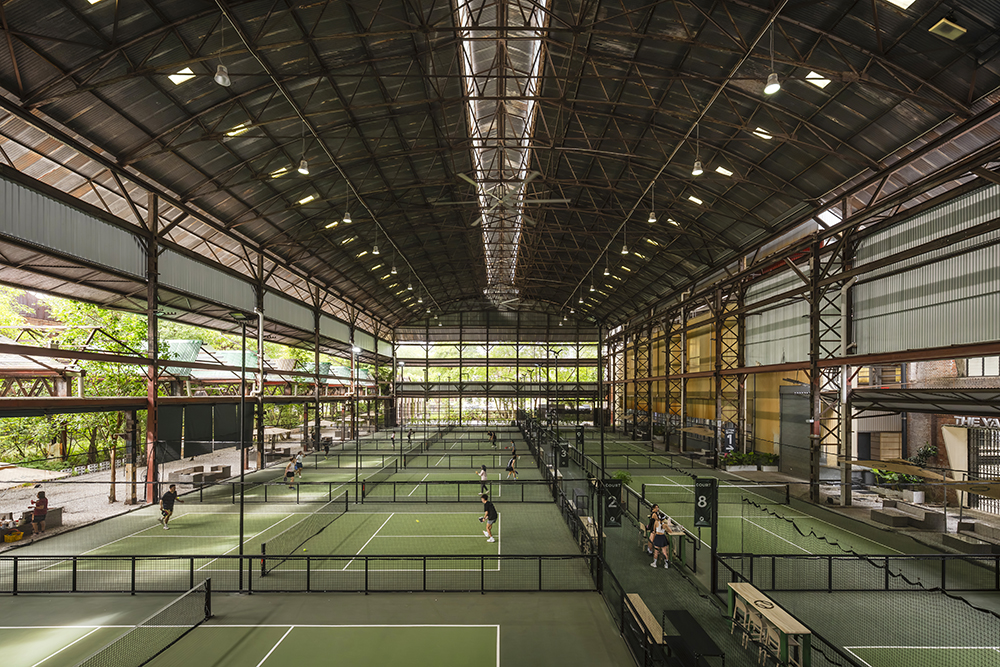
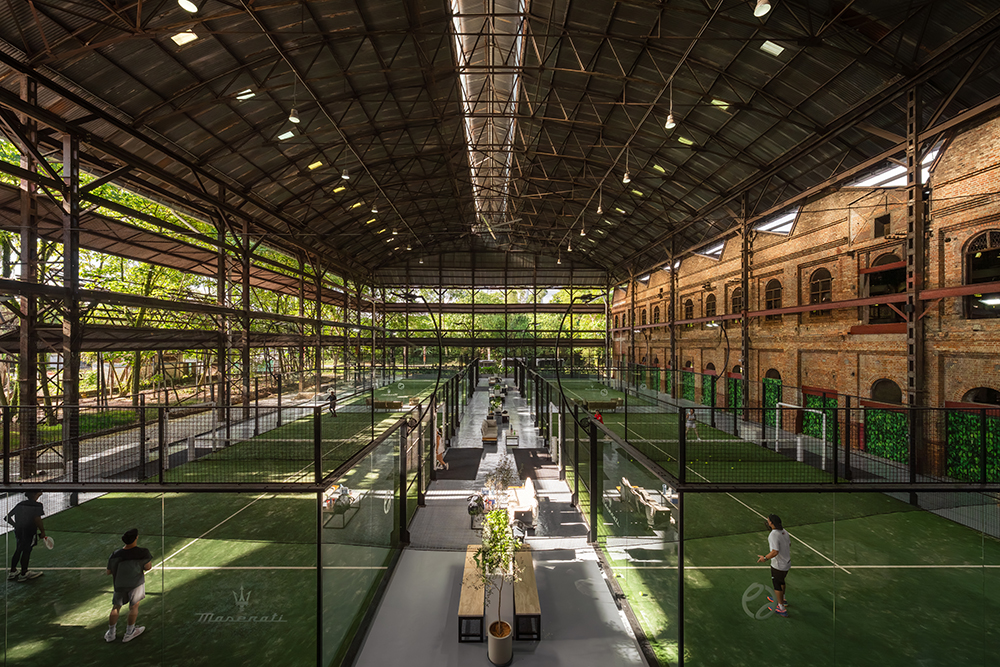
The transformation of Workshop 2 into Pickle Depot and Padel Depot has brought new energy to the historic railway workshop. Completed in May 2025, the 50,000 sq ft workshop space now accommodates twelve international-grade pickleball courts, four padel courts and communal spaces to provide opportunities for people of diverse ages and backgrounds to come together through sport and shared experiences. By weaving recreation into a heritage setting, the development offers a unique way for visitors to engage with local history and strengthen their connection to Sentul’s cultural identity.
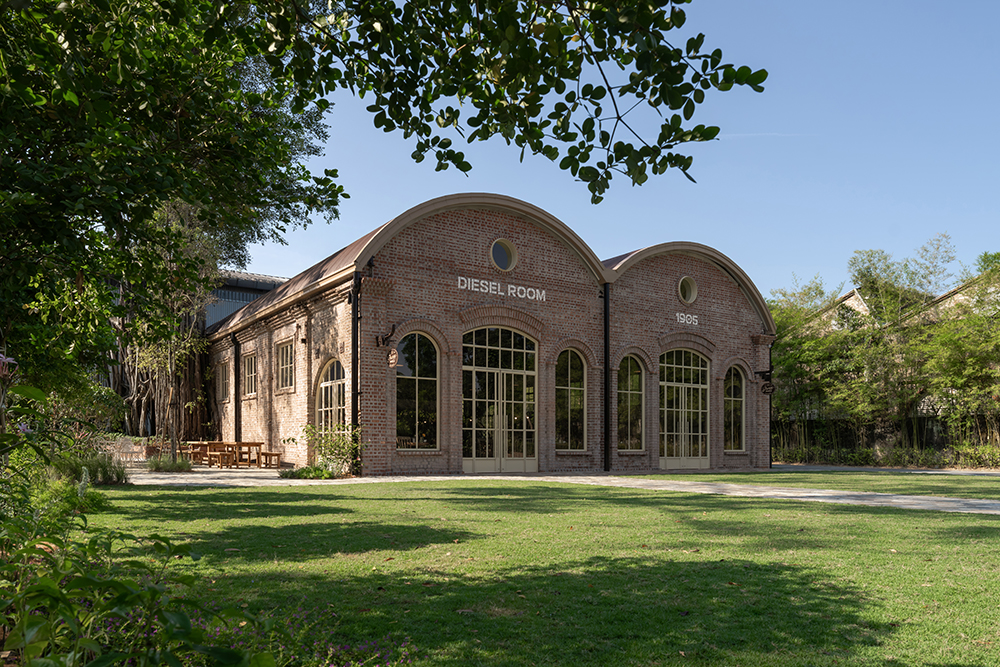
Similarly, the restoration of Diesel Room, completed in December 2025, carefully balanced conservation with contemporary functionality. The project retained the building’s defining industrial character, including its twin barrel-vault roofs, steel structure and spacious interior volume. Sustainability considerations guided the design approach, from the preservation of mature trees on site to the introduction of skylights that enhance natural daylight and reduce dependence on artificial lighting. A prominent banyan tree that had become intertwined with the structure was preserved and incorporated as a key architectural feature, symbolising the coexistence of nature and the built environment. The adaptive reuse of the building as a lifestyle destination, now home to Grumpy Bagels 1905, has reactivated a previously underutilised space and attracted new visitors to the heritage precinct.
Beyond their environmental benefits, both restoration projects have enriched Sentul’s social fabric by creating vibrant places where communities can gather, connect and engage with local heritage. Together, they embody the vision of the Sentul Masterplan, demonstrating how heritage conservation can serve as both a catalyst for placemaking and a driver of sustainable urban regeneration. By giving historic railway assets renewed purpose, YTL Land & Development Berhad is preserving Sentul’s unique identity whilst ensuring its rich legacy remains an active part of everyday life to foster a vibrant, inclusive and enduring destination for generations to come.